On this International Literacy Day, let’s celebrate the power of education to transform lives and societies.
By embracing the United Nations’ Sustainable Development Goal (SDG) 4 – Quality Education, we can unlock the potential of individuals, break down barriers, and create a world where everyone has the opportunity to thrive. A comprehensive approach to education beyond academics is crucial to better prepare children and youth for the future.
RYTHM weaves a holistic approach to teaching and learning to equip our young beneficiaries with the tools to analyse their challenges and rise above their limitations to fulfil their potential.
All our initiatives emphasise academics, capacity building, vocational and skills training, and other areas of personal development, including emotional intelligence, soft skills, and much more.
Over the years, RYTHM has invested in various projects providing education access to some of the most underserved communities worldwide.
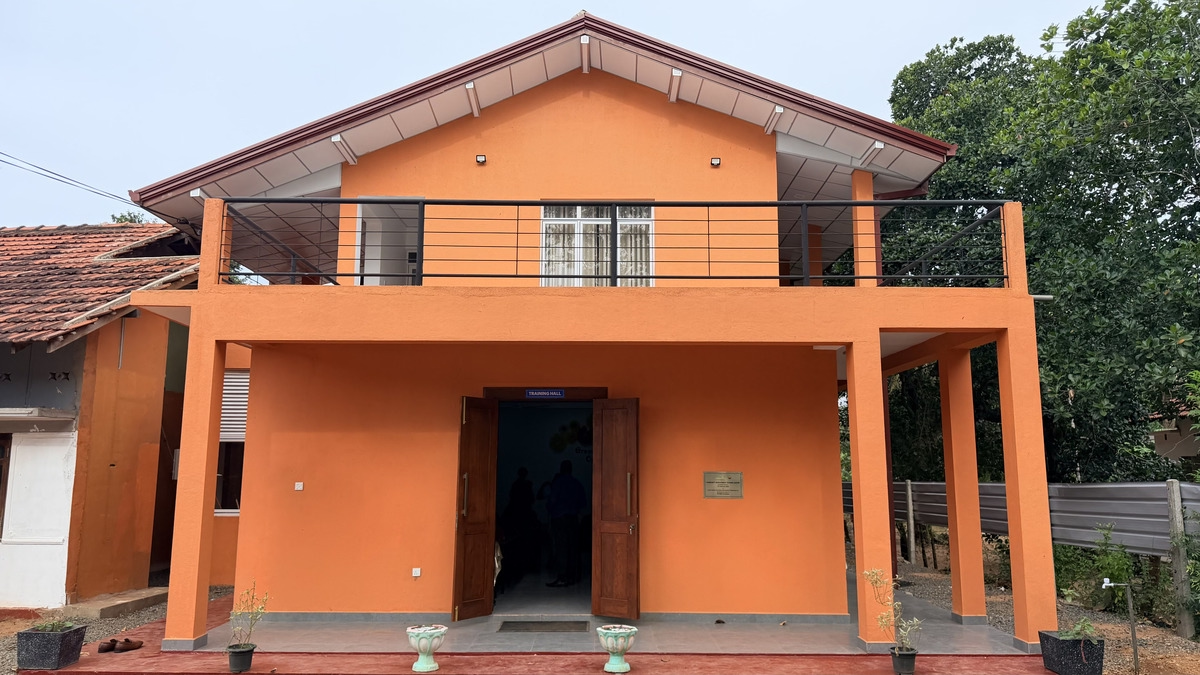
These have included extending crucial support to preschools battling the pandemic, establishing elementary schooling for indigenous children, and educating children with special needs. We are committed to using education for community development and growth.
Here are some of our initiatives over the years:
Empowerment Through Education
Education is more than reading and writing; it’s the path to empowerment. It provides knowledge, skills, and confidence to shape destinies, make informed choices, pursue meaningful careers, and contribute to society. Education breaks barriers, lifting us from poverty, discrimination, and limited opportunities, creating a brighter, inclusive world.
Driving Global Progress
SDG 4 strives for equitable, quality education by 2030, focusing on 21st-century skills, gender equality, conflict zone access, and inclusivity, promoting sustainable development at all levels. By working toward this SDG, we are building a foundation for sustainable development that uplifts individuals, communities, and entire nations.
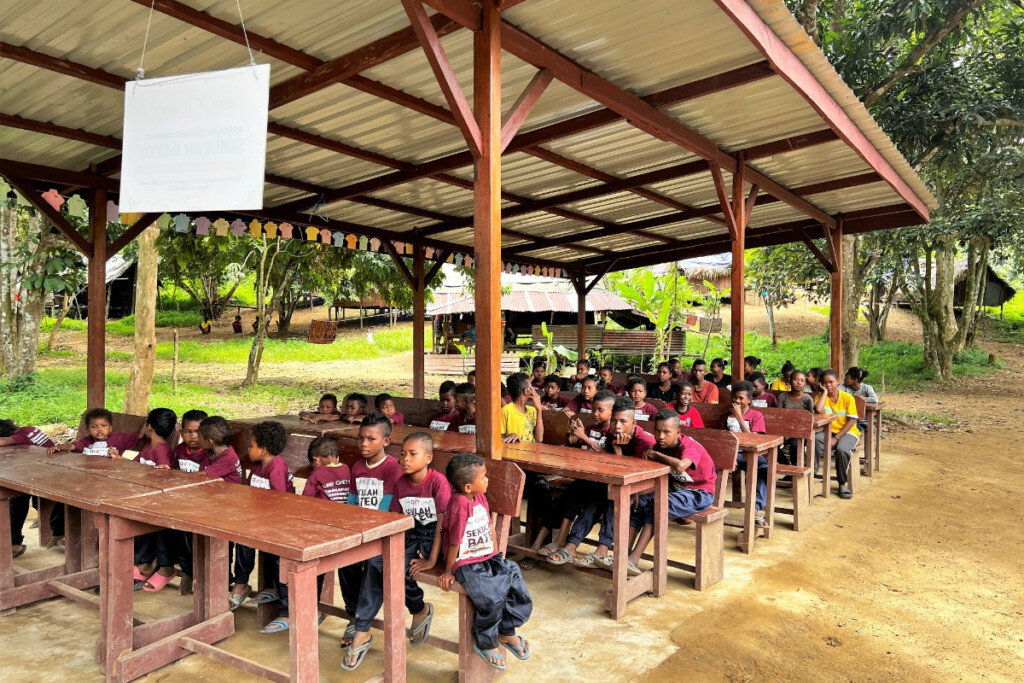
RYTHM established Sekulah Bateq, educating Indigenous children in rural Pahang, Malaysia.
Breaking Cycles of Poverty
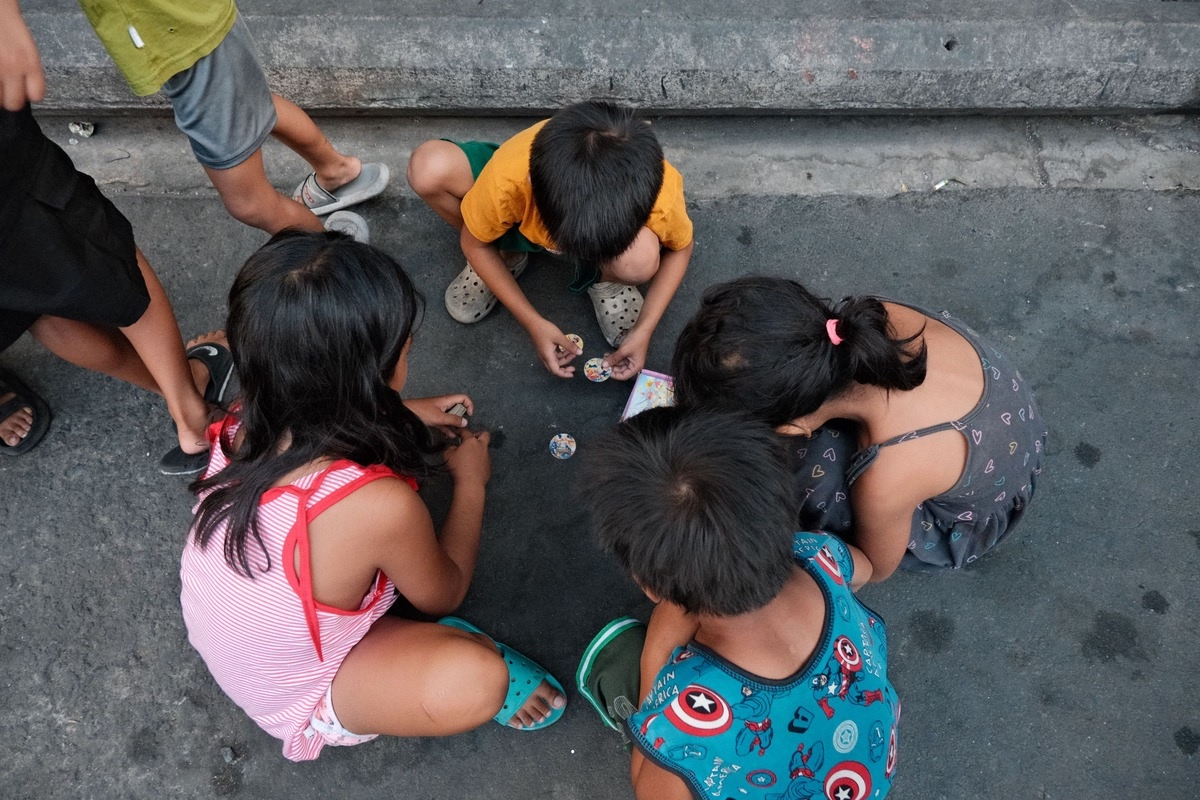
Education has the power to break the cycle of poverty that traps so many communities. Children who access quality education gain the tools to escape poverty and build a better life. Educated individuals are more likely to find stable employment, earn higher incomes, and lead healthier lives. By prioritising education and SDG 4, we can create a world where every child has the chance to rewrite their story and escape the limitations of their circumstances.
Fostering Global Citizenship
Education enriches lives and nurtures global citizenship, fostering understanding, tolerance, and empathy by exposing us to diverse perspectives and cultures. An educated populace is better prepared to tackle global challenges, such as climate change, inequality, and conflict, by nurturing problem-solvers and changemakers for a more just and sustainable world.
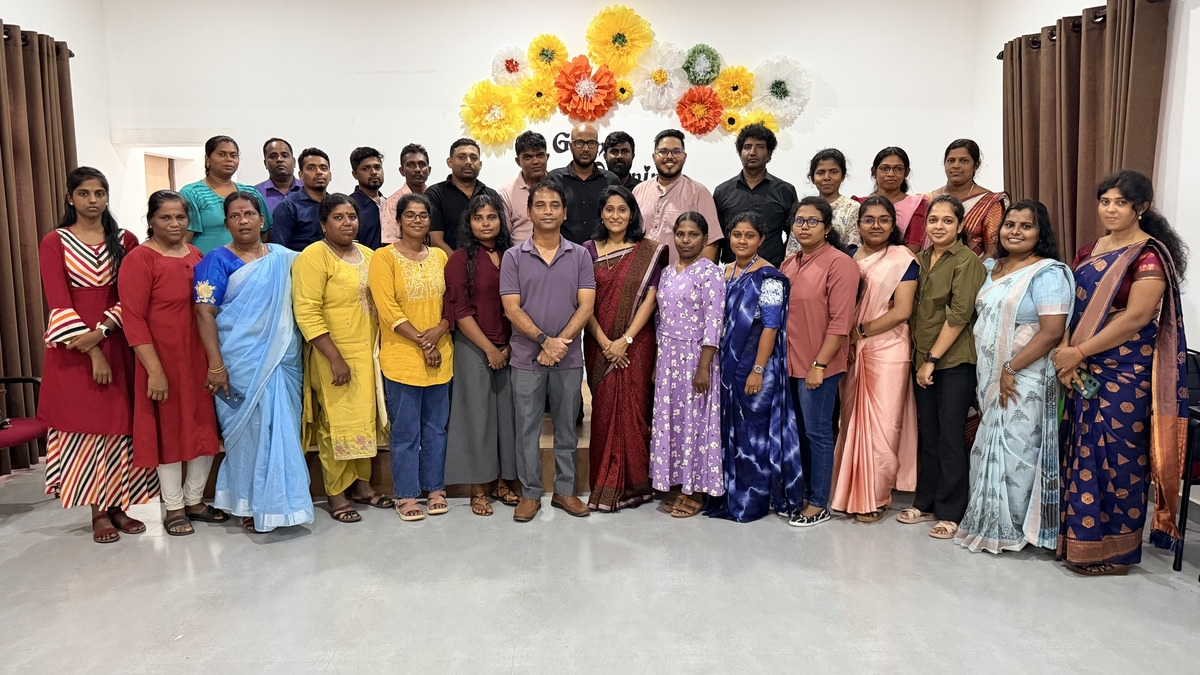
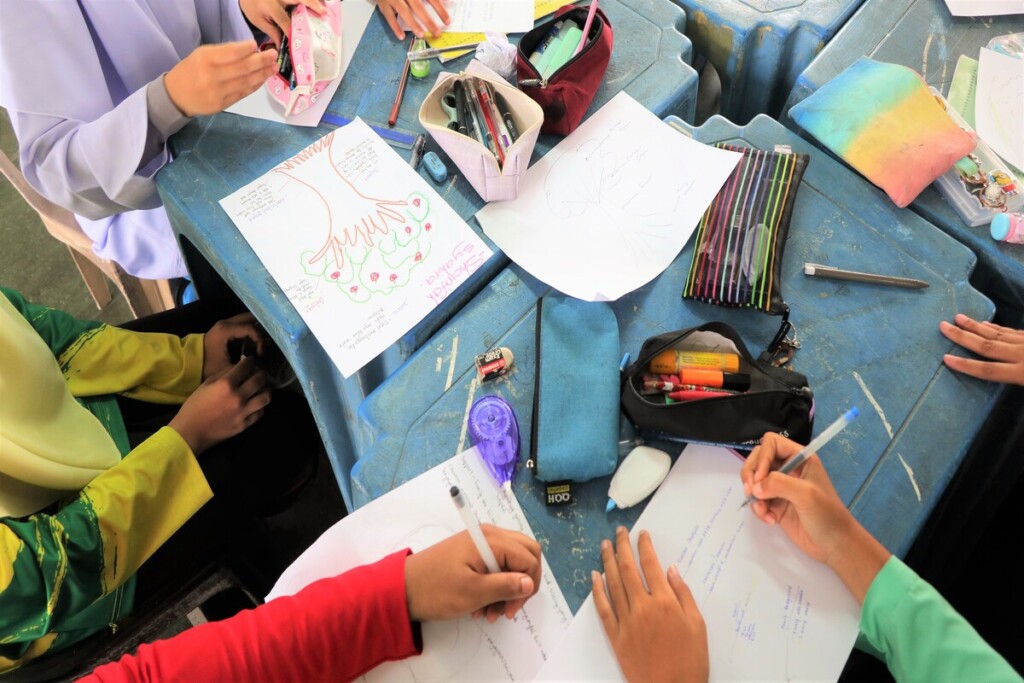
RYTHM’s Maharani Learning Lab empowers young women to pursue brighter, bolder futures
Taking Action Together
Education is the bedrock of progress, a beacon of hope, and the key to a brighter future globally. On International Literacy Day, we emphasise its profound impact and the pressing need for SDG 4. Education is not merely a goal; it’s an inherent right and a collective duty.
This SDG’s attainment necessitates united efforts. Governments, organisations, educators, parents, and individuals all play pivotal roles in ensuring quality education.
Advocacy, investing in educational infrastructure, teacher training, and promoting lifelong learning are vital steps toward this objective. Together, we author a new era of progress, equity, and opportunity for future generations.